
TOPIK PILIHAN

#bandung

Ikuti perkembangan, konteks, dan liputan terkait dalam satu tempat.

Berita terkait

2 artikel
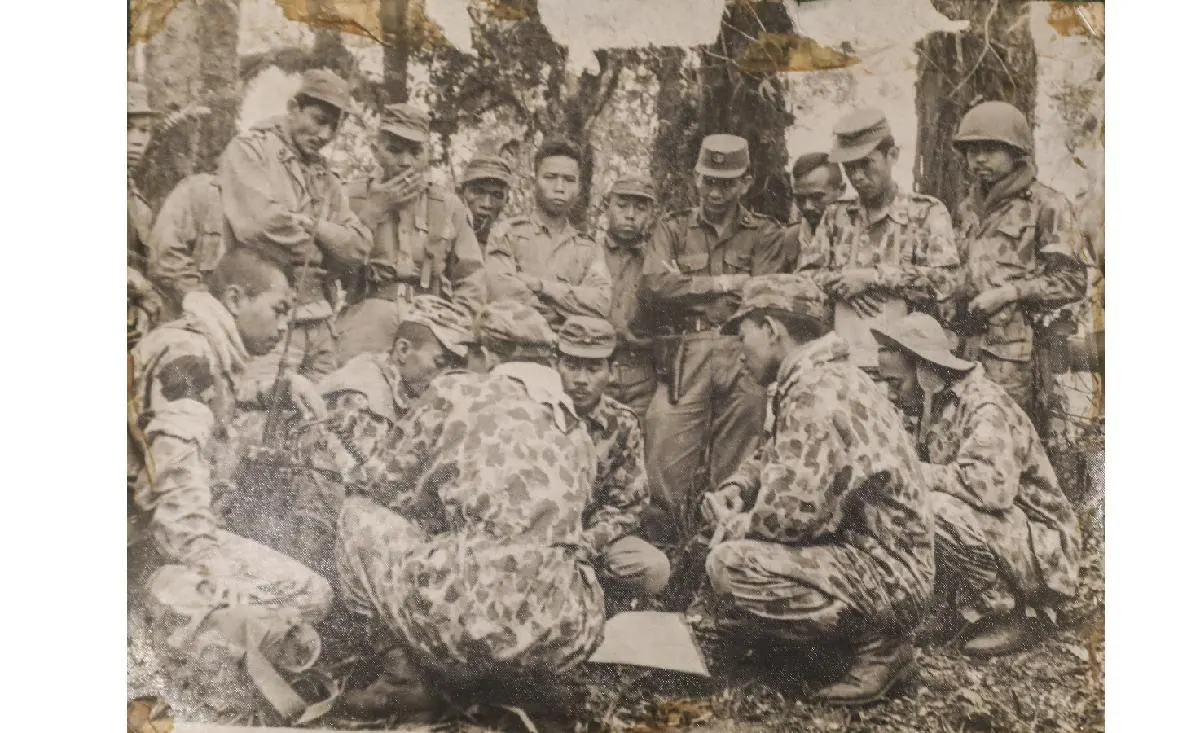
Tracing The History of The Siliwangi “Maung” Troop at The Mandala Wangsit Siliwangi Museum
HISTORY

Tracing The History of The Siliwangi “Maung” Troop at The Mandala Wangsit Siliwangi Museum

It was twelve noon when Indonesia Defense Magazine visited the Mandala Wangsit Siliwangi Museum on Jl. Lembong, Bandung. We wanted to trace the journey of the famous Siliwangi Division through the Museum’s collections. “The Mandala Wangsit Siliwangi Museum used to be the home of a Dutch officer. Later, it was taken over by the Japanese to be used as a hiding place. After Indonesia’s independence, the house was used as the headquarters for the Siliwangi Division and has now changed its function to become a museum,” said Major General Kunto Ari Wibowo, who was the Commander of the Military Regional Command (Kodam) III Siliwangi at the time of our interview.
The Japanese and Dutch Caves in Dago Pakar The Symbol of Foreign Occupation in The Sundanese Land
HISTORY

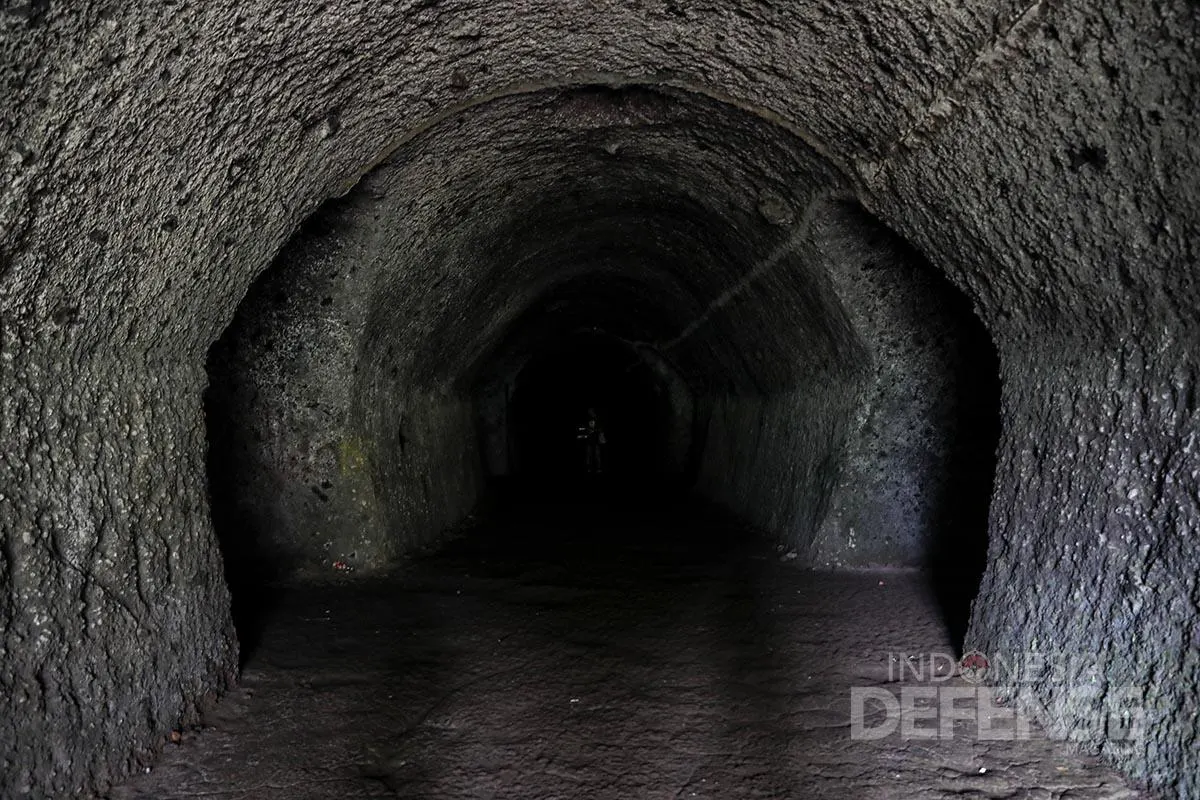
The Japanese and Dutch Caves in Dago Pakar The Symbol of Foreign Occupation in The Sundanese Land

Bandung was arguably one of the Dutch’s favorite cities when they colonized Indonesia. It was built by the Dutch East Indies governor William H. Daendels in 1810 on an elevation of 730 meters above sea level. As a result, it has a pleasantly cool weather, making it a preferred destination to live among the Dutch. Topographically, it was also considered very strategic as a strong natural fortress to repel potential attacks.